You're not lazy. You're not broken. You're not "too sensitive" or "too much."
You might just be neurodivergent. And you might be finding that out for the very first time.
If you're an adult who has recently received a diagnosis of ADHD, autism, or both, or if you're somewhere in the middle of wondering whether a diagnosis might finally explain a lifetime of feeling different, this post is for you. Because getting this kind of news as an adult isn't just a clinical moment. It's a deeply human one. And it deserves to be treated that way.
Why Are So Many Adults Being Diagnosed Later in Life?
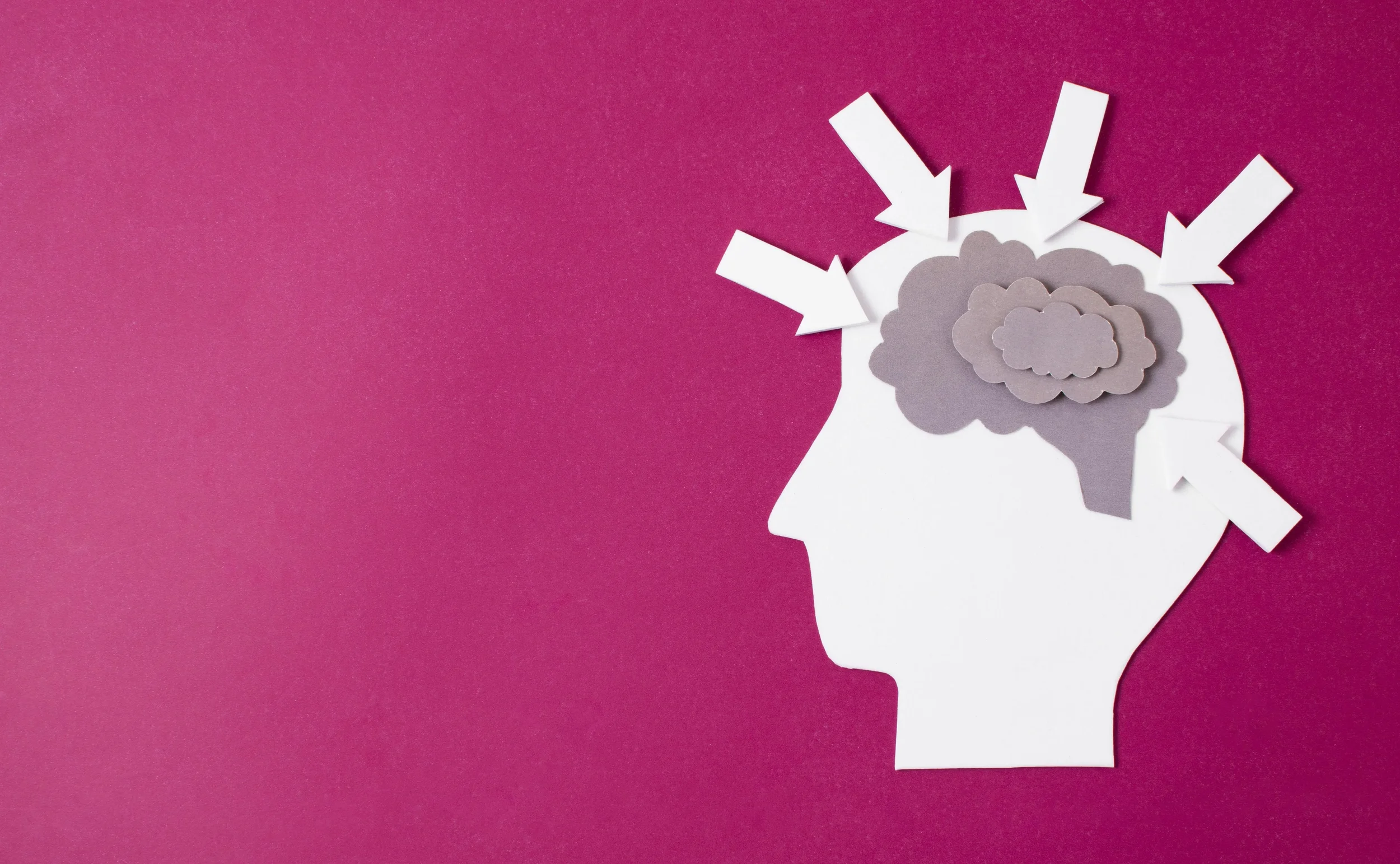
Late diagnosis of ADHD and autism in adults is not a new phenomenon. It is simply a newly visible one.
For decades, diagnostic criteria for both ADHD and autism were built almost entirely around how these conditions present in young boys. Girls, women, and anyone whose traits were quieter, more internalized, or more successfully masked were routinely missed. Adults who found ways to cope, compensate, or simply push through the difficulty were told they were fine, even when "fine" cost them everything they had.
Many adults only seek evaluation later in life because burnout, a major life transition, or the diagnosis of a child finally brings their own experience into focus. Sometimes it's a therapist who notices. Sometimes it's a social media post that describes your inner world with startling accuracy. Sometimes it's simply the accumulation of years of wondering why everything feels so much harder than it looks for everyone else.
Professional research supports this reality. In the American Psychological Association’s Monitor on Psychology feature, “An ADHD diagnosis in adulthood comes with challenges and benefits,” clinicians explain that many adults, especially women and people with primarily inattentive symptoms, were historically overlooked because they didn’t match the stereotypical “hyperactive little boy” profile. The article also notes that adult diagnosis requires evidence that symptoms were present before age 12, often using childhood history and old report cards as clues, and that untreated ADHD can contribute to chronic stress, anxiety, and low self-esteem over time. It further highlights the strong genetic component of ADHD, citing estimates that it is about 70%–80% heritable, which helps explain why many adults recognize their own traits only after a child in the family is evaluated.
The important thing to know is this: you didn't develop ADHD or autism as an adult. You were born with it. It was simply late to be recognized.
What Is AuDHD? Understanding ADHD and Autism Together
One of the most common questions adults ask after a diagnosis is whether they might have both ADHD and autism. The answer is: absolutely, and more often than most people realize.
The neurodivergent community has coined the term AuDHD to describe the experience of living with both autism and ADHD simultaneously. While it isn't an official DSM-5 diagnostic term, it's widely used because it captures something real, a specific and often complex experience that neither diagnosis alone fully explains.
Studies suggest that between 50% and 70% of autistic individuals also have ADHD. Up to 33% of children with ADHD also show signs of autism. These are not rare combinations. They are common ones that have historically been underdiagnosed, especially in adults.
Living with AuDHD often means navigating what can feel like an internal tug of war. Craving routine while also needing novelty. Wanting social connection but experiencing rapid burnout after it. Hyper-focusing on a special interest for hours while struggling to start a simple task. Both conditions share overlapping traits including executive dysfunction, emotional dysregulation, and sensory sensitivities, which can make the picture feel complicated and hard to untangle.
But untangling it, with the right support, changes everything.
Do I Have AuDHD, or Just Autism or ADHD?
This is one of the most searched questions in the neurodivergent community right now, and for good reason. The overlap between ADHD and autism is significant, and distinguishing between them, or recognizing when both are present, requires more than a quick quiz or a single conversation.
Here's a simplified way to think about some of the differences. ADHD tends to involve novelty-seeking, impulsivity, and a wandering attention that moves toward whatever feels interesting or stimulating in the moment. Autism tends to involve hyper-fixation on specific interests, a strong preference for routine, and difficulty navigating social cues, not due to lack of care, but due to genuinely different neurological wiring.
Both involve executive functioning challenges, sensory overload, and difficulty with transitions. Both can involve intense emotion. Both can involve masking in ways that exhaust the nervous system over years and decades.
If you're finding that treatment for ADHD helps with focus but doesn't touch social challenges or sensory sensitivities, that could be a signal worth exploring further with a qualified provider. Only a professional experienced in adult neurodivergence can untangle the full picture, and that evaluation is worth pursuing.
What a Late Diagnosis Actually Means
When adults receive a late diagnosis of ADHD or autism, the most common first response isn't what people might expect. It isn't grief, though that sometimes comes later. It isn't denial. The most common first response is relief.
Oh. So that's why.
A late diagnosis provides a framework that recontextualizes a lifetime of experience. The jobs that felt impossibly hard. The relationships that were exhausting to maintain. The mornings that required heroic effort to get through. The constant sense of being slightly out of step with the world around you.
It's not weakness. It's not a character flaw. It's a brain that has been working hard, often without the right support, for a very long time.
A diagnosis also means something else: permission. Permission to stop measuring yourself against a neurotypical standard that was never designed for how your brain works. Permission to ask for what you actually need. Permission to stop spending all of your energy pretending to be someone you're not.
Understanding Masking and Why It Matters
If you've spent years, or decades, working hard to appear "normal," to suppress your natural responses, hide your sensory needs, script your conversations, or perform a version of yourself that others would find more acceptable, you have been masking.
Masking is exhausting. And over time, it leads to something many late-diagnosed adults know intimately: burnout. Not ordinary tiredness. A deep, accumulated exhaustion that can look like depression, anxiety, or a sense of having nothing left.
One of the most meaningful parts of a late diagnosis is that it gives masking a name. And naming it is the first step toward putting it down.
Therapy, particularly with an affirming provider who understands neurodivergence, creates a space to unmask gradually and safely. To figure out who you actually are underneath all of the adapting. That process is not always easy. But it is one of the most profound things a person can do for themselves.
Where to Start After a Late Diagnosis
Receiving a diagnosis as an adult can bring enormous clarity and also raise a lot of new questions. Here is a grounded place to begin.
Start with a professional evaluation if you haven't already. A psychologist or psychiatrist experienced in adult neurodivergence can provide the kind of comprehensive assessment that captures the full picture, including whether ADHD, autism, or both are present, and how they're showing up in your specific life.
Look into your history. For a formal diagnosis, symptoms need to have been present before age 12, even if they weren't recognized at the time. Gathering old report cards, talking with family members, or simply reflecting on childhood experiences can be part of the process.
Build a support team that actually understands neurodivergence. Not every therapist, coach, or provider is equipped to support adult neurodivergent clients well. Look specifically for providers who use affirming, strengths-based language and who understand masking, burnout, executive dysfunction, and sensory needs from the inside out.
Redesign your environment rather than trying to redesign yourself. This is a shift that changes everything. Instead of forcing your brain to conform to systems that don't work for it, begin asking: what would make this easier? Whiteboards for memory. Noise-canceling headphones for sensory overload. Calendar systems that account for executive dysfunction. These are not accommodations to be ashamed of. They are tools that make it possible to thrive.
Find your community. There is something irreplaceable about being in a space, in person or online, with others who understand what it's like to live in a neurodivergent nervous system. Connection with people who genuinely get it is not a luxury. It's part of healing.
What Therapy Can Look Like for Late-Diagnosed Adults
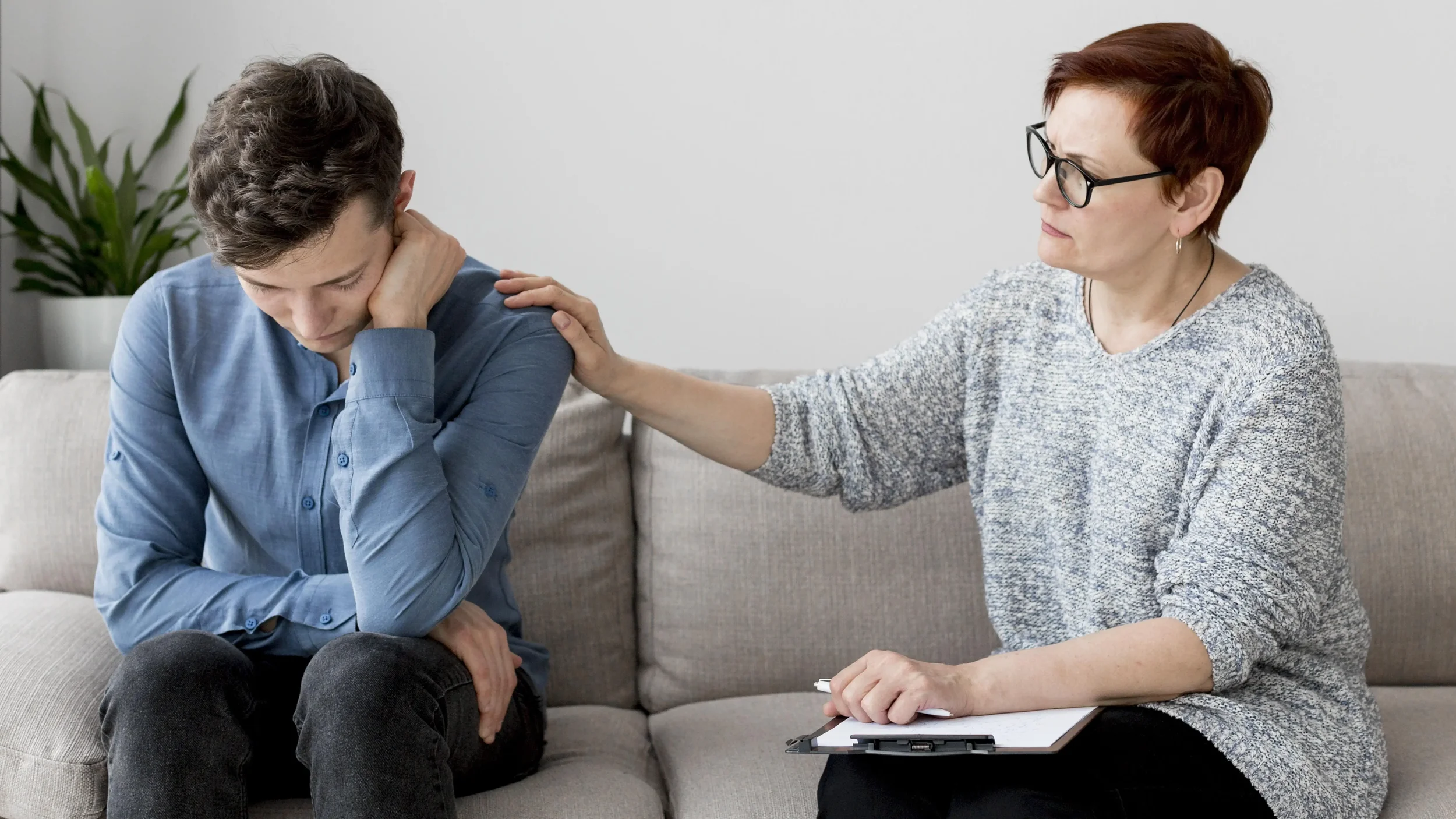
Many adults come to therapy after a late diagnosis, feeling a complicated mix of relief, grief, anger, and uncertainty. Relief that there's finally an explanation. Grief for the years spent struggling without support. Anger at systems that missed what was right in front of them. And uncertainty about what comes next.
All of that is welcome in the room.
Therapy for late-diagnosed neurodivergent adults isn't about fixing you. It's about understanding yourself, finally and fully, and building a life that fits the brain you actually have. That means exploring the roots of burnout. Learning nervous system regulation tools that work for sensory-sensitive brains. Releasing decades of internalized shame. Practicing self-compassion in ways that feel genuine rather than performative.
It also means having a therapist who takes you seriously. Who doesn't minimize your experience or suggest you've been "functioning fine" all this time as if that settles it. Functioning is not the same as thriving. And you deserve to actually thrive.
A Note on Late Diagnosis in Women and Females
If you're a woman or were socialized female, the likelihood that your ADHD or autism was missed is significantly higher. Research on late diagnosis of autism in females consistently shows that girls and women mask more effectively, present differently, and are far more likely to be misdiagnosed with anxiety or depression before anyone considers neurodivergence.
If you've spent years being treated for anxiety that never quite resolved, or if you've always felt like you were watching other people navigate social situations from behind a glass wall, your experience is valid. And it deserves a thorough, neurodivergence-informed evaluation.
You Are Not Starting Over. You Are Starting with More Information.
A late diagnosis doesn't erase what came before. But it does change the lens through which you see it. The struggles were real. The effort was real. And the resilience it took to get here, without the right support, without even knowing what you were working with, is something worth recognizing.
You are not behind. You are not broken. You are not too late.
You are someone who now has a framework for building a life that actually fits. And that is not a small thing. That is the beginning of everything.
Ready to Explore Support in San Diego or Throughout California?
If you're a late-diagnosed adult navigating ADHD, autism, or AuDHD and looking for a therapist who actually gets it, I'd love to connect. My practice is built around neurodiversity-affirming care that meets you where you are, without judgment, without pressure to mask, and without the expectation that you should simply try harder.
You've been trying hard your whole life. Let's try something different.
[SCHEDULE A FREE CONSULTATION]
Sherri Hubbard, LMFT is a Licensed Marriage and Family Therapist (LMFT #95950) specializing in neurodiversity-affirming therapy for children, teens, and adults in San Diego and throughout California via telehealth. Accepting Aetna and MHN/HealthNet. Private pay options available.
FAQs
1. Why are so many adults diagnosed with ADHD or autism later in life?
Because historical diagnostic criteria focused on young boys, adults, especially women, and high-masking individuals were often missed.
2. What is AuDHD?
A community term for adults who experience both autism and ADHD, capturing the overlapping challenges of both conditions.
3. How does masking affect adults?
Masking is the long-term suppression of natural traits to appear neurotypical. It often leads to burnout, anxiety, and exhaustion over decades.
4. How can therapy help after a late diagnosis?
Affirming therapy provides tools for self-understanding, unmasking, nervous system regulation, emotional resilience, and building a life that fits your brain.
5. Are women more likely to be diagnosed late?
Yes. Females often mask more effectively and present differently, leading to missed or misdiagnoses, such as anxiety or depression before ADHD or autism is recognized.